Recent Post

Mobile Card Games That Encourage Teamwork ...
Mobile gaming has evolved significantly over the past decade, moving beyond solitary experiences into highly collaborative environments. While individual card duels remain popular, a growing number of titles focus entirely on cooperative mechanics that require players to combine their unique decks. These digital experiences challenge teams to coordinate their resource distribution and synchronize tactical abilities to overcome complex virtual scenarios.
The Shift to Cooperative Mechanics in Digital Card Gaming
Traditional card games often pit players against one another in fierce individual competitions where only one side emerges victorious. However, modern mobile design introduces cooperative game modes that emphasize shared victories and mutual problem-solving. In these environments, success relies entirely on communicating intent and matching complementary deck strategies with your allies.
Many top-tier platforms have integrated specialized cooperative queues to meet the rising demand for team-based mechanics. For individuals seeking platforms that prioritize collaborative digital entertainment, exploring options like the Msports network can provide exceptional insights into modern gaming communities. Engaging in these shared digital spaces allows players to learn from alternative playstyles and cultivate reliable strategic partnerships.
Essential Strategies for Collaborative Deck Construction
Building a successful team deck requires a completely different mindset compared to creating an optimized individual deck. Instead of trying to build an all-around powerful collection, teammates must assign specific operational roles such as resource generation, frontline defense, or primary damage output. A well-coordinated group balances these tactical elements perfectly so that no single player feels overwhelmed during intense matches.
Furthermore, maintaining constant communication regarding resource management prevents multiple players from wasting powerful actions simultaneously. Successful teams continuously evaluate their shared card pool to ensure they possess adequate answers to changing game states. Over time, practicing these collaborative card synergies greatly sharpens collective decision-making and spatial awareness skills.
Fostering Unity and Communication Through Digital Arenas
Beyond the mechanical benefits, cooperative card experiences serve as excellent tools for developing essential soft skills like empathy and multi-directional negotiation. Overcoming incredibly difficult computer-controlled bosses or rival factions demands a healthy group culture that accepts minor misplays and focuses entirely on the broader objective. This shared accountability converts casual gaming sessions into meaningful bonding opportunities for friend groups.
As developers continue to release expansive updates and complex cooperative campaigns, the demand for team-oriented design will likely grow. The combination of deep strategic planning and genuine social connection provides a sustainable blueprint for modern mobile interaction. Embracing these cooperative challenges ensures that every individual contribution matters, turning competitive gaming into a unified group triumph.
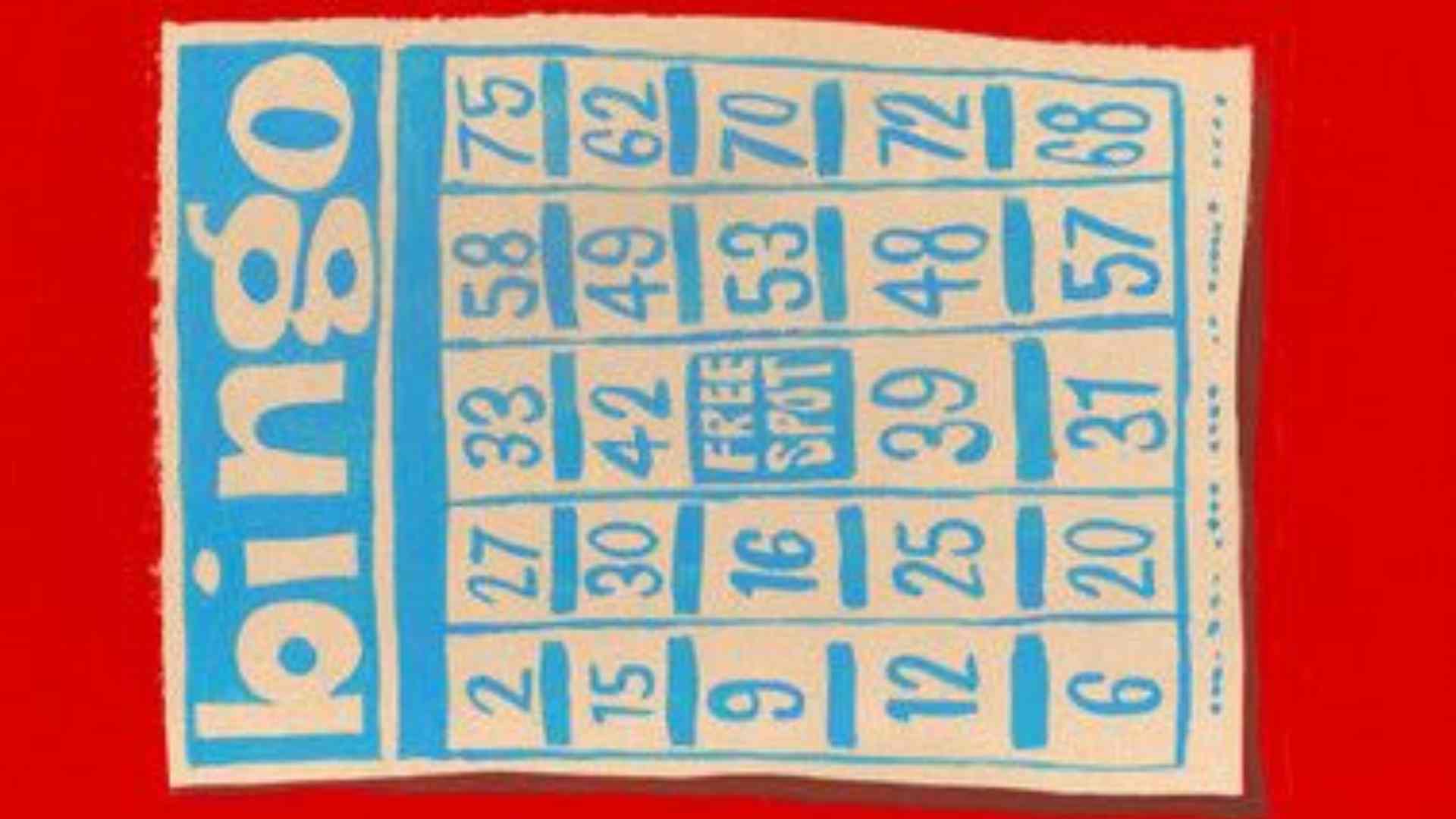
How Experienced Craps Players Think ...
Stepping up to a craps table can feel overwhelming for beginners due to the loud cheering and fast pace. However, veterans view the exact same environment through a lens of strict mathematical probability and calculated patience. Understanding how seasoned participants approach the layout provides crucial insights into minimizing the casino advantage.
Embracing the Reality of Independent Events
Experienced individuals recognize that every single roll of the dice is entirely independent of the previous outcome. They never succumb to the gambler fallacy of believing a specific number is due to appear simply because it has been absent for a while. Instead, their strategy relies completely on establishing long-term statistical stability rather than chasing temporary hot streaks.
This cognitive clarity allows them to ignore table myths, such as tracking past outcomes or believing in dice control theories. They understand that the physics of a fair roll always resets the mathematical odds perfectly. By accepting these standard realities, they protect their focus and make choices strictly based on numerical value.
Prioritizing the Lowest House Advantage
A veteran approach strictly filters the available options on the layout, ignoring high-payout proposition wagers that carry massive casino margins. They place their core focus on fundamental options like the Pass Line or Don't Pass, which feature a tiny built-in advantage. Maximizing true odds behind these initial selections remains a key component of their overall execution plan.
Furthermore, many seasoned players look for reputable digital networks like Msports to study advanced mechanics and mathematical systems safely. Relying on verified structures helps keep tactical execution sharp and highly organized over multiple sessions. Sticking exclusively to these low-variance paths ensures their funds last significantly longer than an amateur bankroll.
Mastering the Discipline of Capital Allocation
Emotional stability represents the true dividing line between general casual participants and long-term experts at the table. True professionals establish rigid session goals and firm stop-loss thresholds before placing a single chip on the felt layout. They treat their gaming funds exactly like an investment portfolio, executing pre-planned decisions regardless of short-term variance.
When a cold streak occurs, an expert calmly accepts the variance and walks away rather than increasing bet sizes to recover losses. They view individual sessions as parts of a single continuous simulation spread across a lifetime of play. This long-term perspective naturally eliminates panic and promotes optimal decision-making under intense casino pressure.

How Probability Supports Better Choices ...
Every day, individuals face countless decisions that carry a certain level of uncertainty and risk. Relying entirely on intuition or rigid plans can often lead to unexpected frustration or unfavorable outcomes. Embracing a probabilistic mindset allows us to navigate these ambiguous situations with greater clarity and structure.
Shifting from Binary Views to Likelihoods
Many people naturally fall into binary thinking, viewing potential outcomes as absolute successes or complete failures. The real world is rarely that simple, as most situations involve a spectrum of possibilities. Evaluating options through the lens of probability helps us estimate the likelihood of various scenarios more accurately.
This analytical shift reduces cognitive load and mitigates the anxiety that comes with unpredictable changes. By recognizing that no outcome is entirely guaranteed, we learn to look at options more realistically. This approach helps us make balanced plans instead of forcing certainty on unpredictable events.
Moving from Prediction to Strategic Preparation
Trying to forecast a single exact path for the future is often a counterproductive exercise. Instead, thinking probabilistically encourages individuals to focus on comprehensive readiness for multiple plausible futures. When we prepare for a range of alternatives, we become much more adaptable to changing environments.
This flexible framework is widely used across different fields, from corporate planning to digital platforms. For instance, players engaging with interactive analytics platforms like Msports evaluate diverse numerical scenarios to refine their long-term decisions. Developing these tracking skills builds systemic confidence when handling shifting metrics.
Managing Risks and Accepting Inherent Chaos
A major benefit of understanding probability is the capacity to establish realistic boundaries for everyday risks. It helps decision-makers recognize the fine line between calculated strategic choice and pure random chance. Accepting that randomness always plays a role keeps us from overestimating our control over events.
When an outcome does not turn out as expected, a probabilistic perspective keeps us from treating it as a failure. Instead, the result is viewed as a fresh data point to improve future choices. This mindset builds long-term psychological resilience in both professional settings and private life choices.
Building Practical Skills for Better Results
Incorporating basic statistical thinking into daily routines does not require advanced mathematics. Start by rephrasing personal questions from absolute terms to gradient likelihoods before taking action. Consistently tracking outcomes over time will naturally improve your intuitive grasp of statistical variations.
Widening your perspective and involving diverse inputs can also significantly increase the accuracy of your estimations. Small, calculated steps allow you to experiment safely while managing the impact of occasional errors. Ultimately, mastering probability transforms uncertainty into a powerful tool for continuous growth.

The Evolution of Scratch Card Technology ...
Scratch cards have evolved from simple cardboard lottery tickets into sophisticated digital games that engage millions of players worldwide. This transformation highlights how shifting consumer preferences and advanced development frameworks completely redefine modern casual entertainment. Exploring this technological journey reveals how a basic concept adapted to the digital age without losing its core appeal.
The Origins of Tangible Scratch Technology
The concept began in the mid-1970s when computer scientists developed a randomized algorithm to guarantee secure, instant lottery results on paper. These physical cards utilized a specialized latex coating that players manually scraped away to unveil hidden prize symbols. This simple mechanical action established a new form of immediate gratification that traditional weekly draws could not replicate.
As the market expanded, printing technology advanced to introduce complex cryptographic layers to prevent fraud and counterfeiting. Secure production methods ensured that every individual ticket remained completely untampered with prior to purchase. These physical security measures laid the critical foundation for trust that would later transfer into automated systems.
The Digital Shift and Online Integration
The dawn of the internet era triggered a massive paradigm shift as traditional paper games transitioned into interactive software platforms. Early online variants replicated the classic experience using basic flash graphics and mouse click interactions. This shift removed geographical boundaries, allowing players to instantly access casual gaming content from their home computers.
Modern web infrastructure has further elevated this experience by providing high-definition animations and dynamic themes. For instance, if you want to explore advanced gaming platforms, visiting a reputable hub like Msports demonstrates how fluid user interfaces maximize engagement. These contemporary networks offer secure payment processing alongside a vastly diverse library of instant-win titles.
Algorithmic Fairness and Backend Mechanics
Behind the vibrant visual designs lies a complex infrastructure powered by highly regulated Random Number Generators. These sophisticated software algorithms ensure that every single outcome is entirely independent and statistically unbiased. This mathematical verification replaces human oversight with total automation, maintaining absolute integrity across all active sessions.
Regulatory frameworks have also evolved to audit these digital backend systems regularly for compliance and true randomness. Players can access public payout percentages, which fosters greater transparency than old physical distribution models. Understanding these underlying mechanics helps participants maintain realistic expectations while enjoying casual gaming sessions.
Mobile Optimization and Future Horizons
The massive proliferation of smartphones has pushed scratch card development firmly into mobile-first frameworks. Developers now utilize cross-platform technologies to ensure flawless touch controls, smooth performance, and instant load times on handheld devices. This seamless mobility allows casual gaming enthusiasts to enjoy brief entertainment breaks whenever and wherever they choose.
Looking ahead, emerging innovations like augmented reality and blockchain ledger technology promise to reshape the landscape once again. These impending upgrades aim to provide even greater provable fairness and immersive presentation elements for the next generation of players. As technology marches forward, the core experience will continue to transform while preserving its fundamental simplicity.
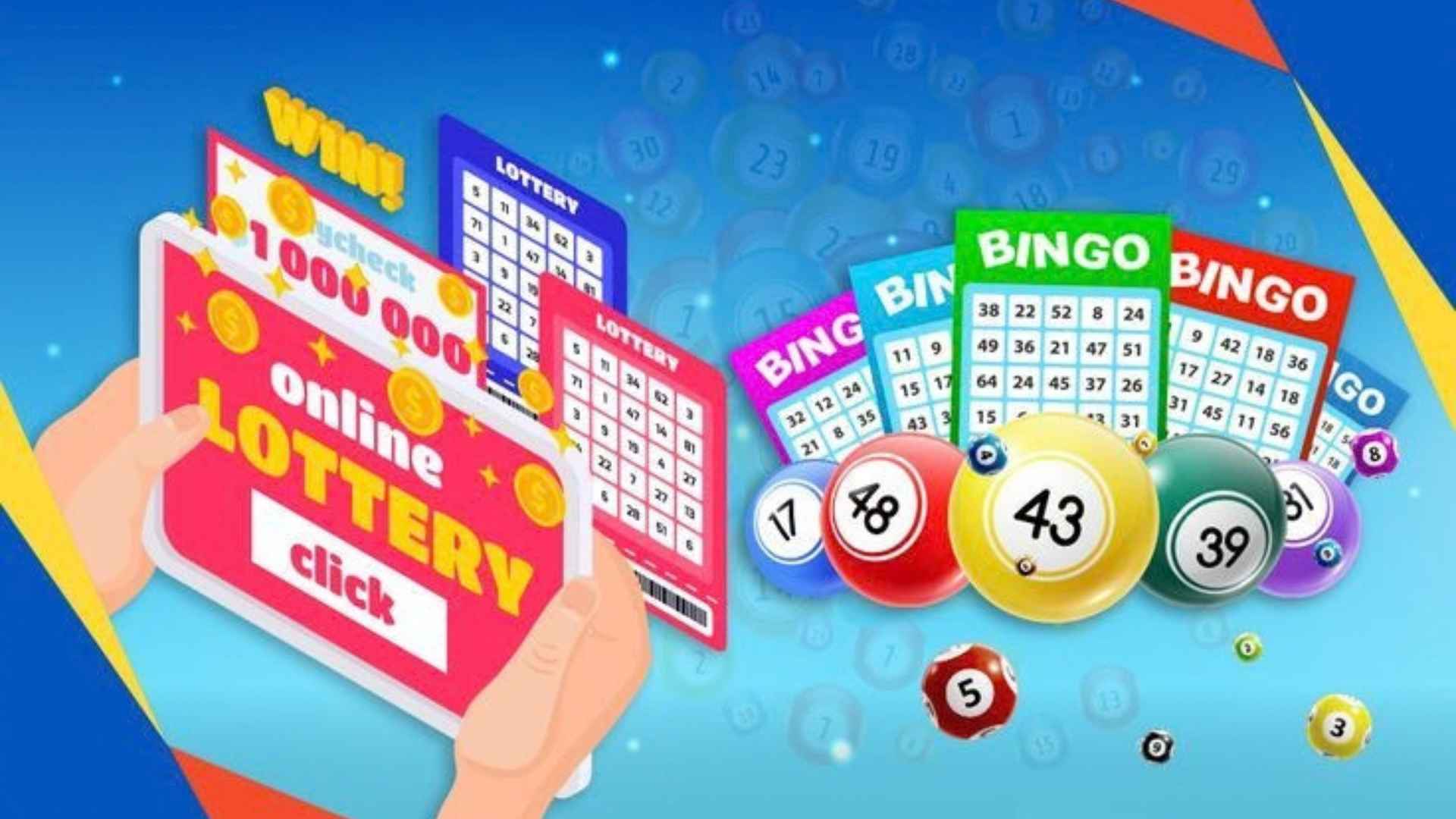
Lucky Draw Entry Guides for Beginners ...
Participating in lucky draws can be an exciting way to test your fortune and potentially win remarkable prizes without a heavy initial investment. For beginners, navigating the rules, platforms, and legal guidelines can seem slightly overwhelming at first glance. Understanding how these promotional systems operate ensures a safe, enjoyable, and rewarding experience from your very first entry.
Understanding the Basics of Lucky Draws
A lucky draw is fundamentally a game of chance where winners are selected completely at random from a pool of eligible participants. Organizers often use these events as promotional tools to build brand awareness, gather data, or simply reward customer loyalty. Familiarizing yourself with the baseline rules of any drawing prevents future confusion and clarifies expectations right from the start.
Before entering, it is critical to identify whether the campaign is a free prize draw or a sweepstakes, as each carries different compliance laws. Realizing that entry structures differ significantly helps you focus on legitimate setups that protect your personal information. Always look for a clear, accessible set of official rules hosted on the platform to guarantee transparency.
How to Find and Evaluate Authentic Campaigns
The digital age has made finding promotional drawings easier than ever, but it also requires a higher level of vigilance from beginners. Legitimate campaigns are typically hosted by verified brands on official websites, secure registration portals, or established social media channels. Evaluating the hosting platform or company reputation is a necessary protective step before sharing any contact details.
When exploring various sports platforms or promotional events, using secure digital tracking can help keep your entries organized. Beginners exploring safe digital options can find clear insight at Msports to understand reliable web interfaces. Verifying secure payment gateways or data-handling policies is standard practice for any modern online participation.
Essential Entry Tips for Beginners
Maximizing your chances of a successful and valid submission involves following instructions precisely to avoid instant disqualification. Simple mistakes, like incomplete contact forms or ignoring local residency restrictions, account for a large portion of discarded entries. Taking your time to read through the eligibility criteria ensures your effort translates into a legitimate chance to win.
Another excellent habit for beginners is setting up a dedicated email address strictly for promotional registrations and sweepstakes tracking. This approach keeps your main inbox clutter-free while ensuring you never miss a time-sensitive notification regarding a potential win. Keeping a basic log of the events you join also helps verify notifications if you are selected.
Recognizing Fair Play and Avoiding Scams
A trustworthy promotional event will always select its winners using a verifiable random system, such as automated drawing software or physical ticket mixing. Beginners should remain cautious of any campaign that requires upfront fees or processing payments just to claim a prize. True promotional draws do not demand financial transactions from winners during the selection announcement phase.
If a notification looks suspicious or creates artificial urgency, take a moment to cross-reference it with the official corporate channel. Protecting your digital identity remains paramount while enjoying the casual thrill of promotional prize campaigns worldwide.

What Makes Keno Different from Bingo? ...
While both Keno and Bingo are celebrated for their simple rules and number-matching mechanics, they offer entirely different experiences for players. Beginners often confuse the two due to their fast-paced natures and lottery-style formats, but their underlying systems are distinct. Understanding these variations helps enthusiasts choose the ideal game that fits their personal betting style and entertainment preferences.
The Core Mechanics of Number Selection
In a traditional game of Bingo, players receive pre-printed cards containing a unique matrix of numbers, typically arranged in a grid. The player cannot choose which numbers they get and must rely entirely on the luck of the draw to complete their specific ticket patterns. This layout restricts personal choices but keeps the playing field even and communal for everyone involved.
Keno introduces a much higher level of individual control over the entire gameplay experience. Enthusiasts select their own set of favorite numbers, known as spots, usually from a total pool of eighty possibilities. This freedom means you can decide to play just a few numbers or aim for a larger combination depending on your specific risk tolerance.
Differences in Payout Structures and Odds
The prize distribution in Bingo is normally straightforward and depends on competing directly against other active participants. The first player to complete a designated pattern on their card calls out to stop the game and claims the set pool. This fixed structure means that wins are definitive but capped based on the buy-in of that particular round.
Keno operates on a flexible paytable system where the payout is calculated based on how many numbers you originally selected versus how many actually matched. You do not compete against other players, allowing multiple people to win top tier prizes simultaneously during a single draw. To explore diverse gaming styles, checking options like the Msports platform can offer deeper insights into modern digital gaming setups.
Pacing and Social Dynamics
Bingo is inherently a social game that is traditionally played in large halls or dedicated online chat rooms where players interact frequently. The caller draws numbers one by one, creating a shared rhythm of anticipation and excitement that binds the community together. This collective atmosphere makes it a popular choice for those looking for casual conversation alongside their entertainment.
Conversely, Keno is often a solitary, rapid-fire experience designed for quick rounds and immediate results. Numbers are drawn simultaneously by a random number generator or digital system, letting players know their outcomes within seconds. This independent nature makes it ideal for individuals who want a focused session without waiting on a crowd.

Winning Habits Shared by Top Tournament Players ...
Achieving consistent success in high-stakes tournaments requires much more than just a basic understanding of the rules and card values. Seasoned competitors rely on a structured set of daily routines and mental frameworks that keep them performing at their peak under intense pressure. By studying these established patterns, aspiring players can elevate their own gameplay and approach matches with a much higher level of strategic preparedness.
The Power of Meticulous Pre-Match Preparation
Top tournament players rarely enter a competitive arena without a clear, pre-defined strategy for the day. They dedicate significant time to studying past hands, researching potential opponents, and establishing a calm routine before the first deal. This mental warm-up helps reduce anxiety and ensures that they can make calculated decisions from the very first round.
In addition to mental preparation, physical readiness plays a crucial role in maintaining endurance during long, multi-round sessions. Experts emphasize the importance of regular breaks, proper hydration, and a comfortable setup to prevent fatigue from clouding their judgment. Engaging with active platforms like Msports allows players to experience realistic tournament conditions and refine their preparation routines in a structured environment.
Sharpening Analytical Observation at the Table
One of the most defining characteristics of elite competitors is their ability to read the table and track discarded cards with high precision. Instead of focusing solely on their own hands, successful players closely monitor what their opponents choose to pick up or discard. This continuous stream of information helps them deduce which sequences or sets are being built across the table.
By maintaining a high level of situational awareness, tournament pros can avoid throwing away critical cards that might hand an opponent an immediate victory. This defensive discipline is often what separates champions from recreational players during tight, late-stage matches. Developing this level of focus requires patience, practice, and a commitment to learning from every single round played.
Mastering Emotional Discipline and Risk Mitigation
The ability to stay calm under intense tournament pressure is a hallmark habit of successful card players worldwide. When faced with a poor starting hand or an unexpected set of discards, professional players avoid making emotional decisions or panicking. Instead, they rely on mathematical probability and established safety measures, such as taking a timely drop to minimize point losses.
Accepting a minor, fixed penalty by folding early is a highly strategic move that preserves resources for future hands. Beginners often make the mistake of chasing weak hands, which frequently leads to massive point deficits that are difficult to recover from. Cultivating emotional discipline ensures that a single bad round does not derail an entire tournament run.
Post-Game Review and Continuous Learning
The journey to the final table does not end when the match concludes, as elite players view every game as a learning opportunity. They regularly review their wins and losses to identify tactical mistakes, structural weaknesses, or missed opportunities in their playstyle. This constant loop of self-evaluation allows them to adapt to evolving strategies and stay ahead of the competition.
By treating setbacks as constructive lessons rather than failures, tournament champions maintain a growth mindset that fuels long-term success. Over time, these combined habits of preparation, observation, emotional control, and self-review build an incredibly strong foundation. Aspiring players who integrate these practices into their daily routines will find themselves climbing the competitive ranks much faster.

Wheel of Fortune Strategies for Every Experience Level ...
Stepping up to the iconic wheel is always an exciting experience, whether you are a complete novice or a seasoned player. While luck plays a significant role in determining where the pointer lands, adopting a strategic approach can greatly influence your overall success. By understanding how to adapt your play style to your skill level, you can maximize your enjoyment and potentially increase your rewards.
Foundational Tactics for Beginners
For those who are new to the game, the primary focus should be on learning basic letter patterns. Starting with highly frequent consonants such as T, S, and R helps reveal large parts of the puzzle with minimal risk. This methodical approach allows beginners to keep control of the wheel while slowly building up their in-game score.
Once a few key consonants are on the board, strategically buying vowels is the next logical step. Vowels like E and A act as the connective tissue of most words, making it much easier to solve the puzzle. Spending a small portion of your accumulated points on these helper letters often prevents costly guessing mistakes later on.
Intermediate Strategies for Steady Progress
Intermediate players who understand the basics should focus on managing risks during unpredictable spins. Knowing when to spin and when to solve is a vital skill that protects your current progress from bankrupt segments. Balancing the thrill of a higher score with the safety of a guaranteed win is crucial at this stage.
To practice these decision-making skills in a dynamic environment, finding a reliable platform can make a significant difference. Many improving players prefer to explore established online destinations like Msports to test their abilities against different formats. Engaging with diverse gaming setups helps refine your instincts and builds your confidence for bigger challenges.
Advanced Methods for Experienced Enthusiasts
Experienced players often look beyond simple letter patterns to analyze the behavior of their competitors. Observing which letters have already been called or avoided by others provides valuable clues about the remaining hidden words. This high-level awareness ensures you are prepared to make optimal decisions the moment your turn begins.
Another advanced technique involves managing your virtual bankroll with extreme discipline across multiple rounds. Seasoned veterans avoid overspending early in a round, preserving their resources for high-value opportunities. By maintaining a calm and methodical mindset, you can successfully navigate even the most challenging puzzles.
Cultivating a Winning Mindset
Ultimately, the most important strategy for any level is maintaining focus and patience throughout the session. Getting discouraged by an unlucky spin can cloud your judgment and lead to hasty decisions. Embracing the learning curve ensures that every game serves as a stepping stone toward mastery.
Developing a consistent routine helps players of all backgrounds stay calm under pressure. By combining structured letter choices with smart risk management, you can elevate your gameplay. With time and practice, navigating the vibrant wheel becomes an incredibly rewarding pursuit.
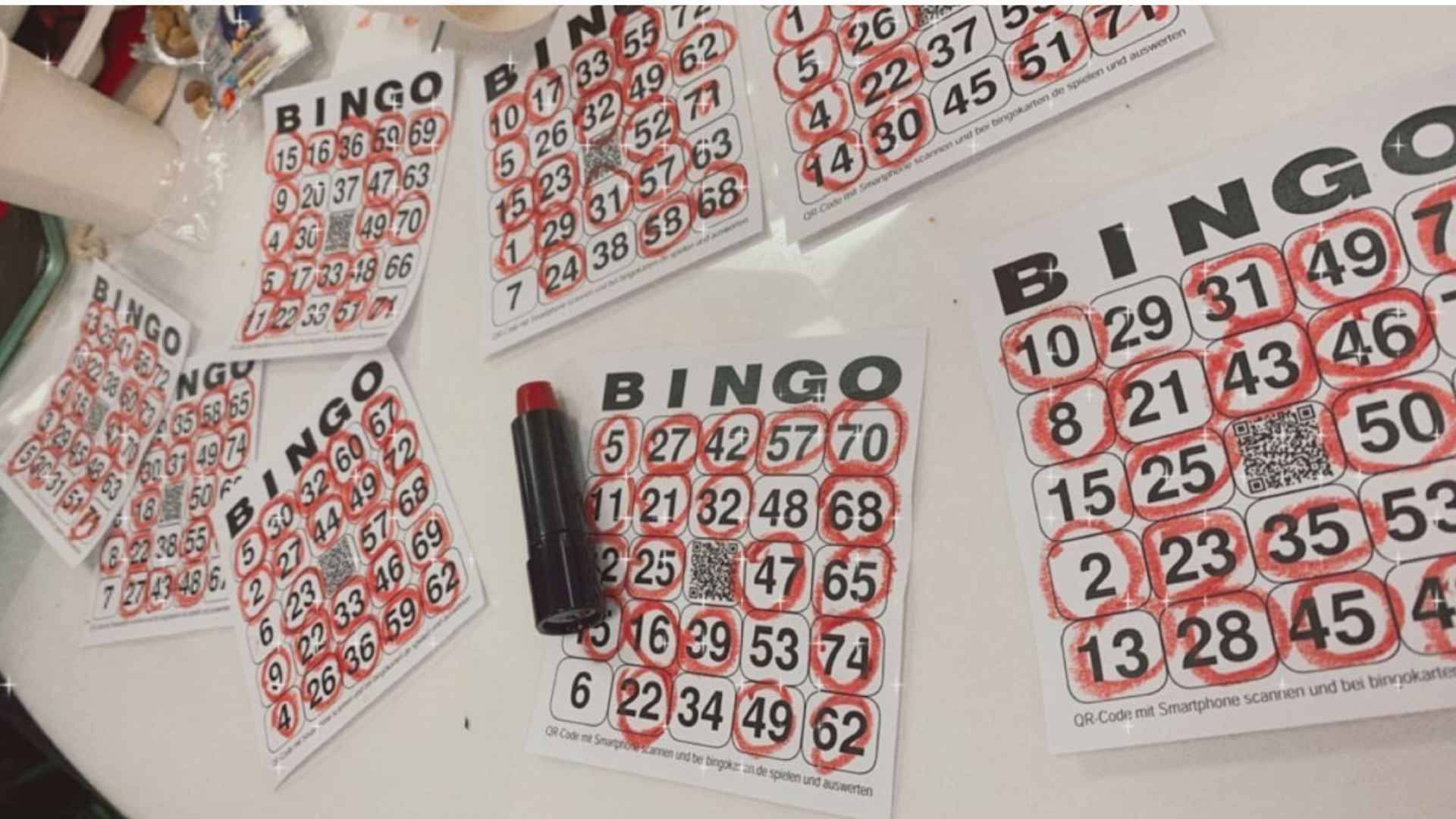
Mystery Box Collections Full of Surprises ...
The global retail landscape has experienced a dramatic transformation as consumers prioritize experiential value over traditional shopping methods. At the forefront of this movement are themed assortments that offer an element of unexpected discovery with every delivery. These curated packages satisfy a deep-seated human desire for novelty, transforming standard financial transactions into memorable events full of anticipation.
The Growing Appeal of Assorted Curations
Modern shoppers are increasingly drawn to curated bundles because they eliminate decision fatigue while delivering a high level of excitement. Companies spend considerable time selecting items that complement a central theme, ensuring the contents feel both cohesive and premium. This careful attention to detail elevates the unboxing process from a simple package opening into a genuine entertainment experience.
Furthermore, these assortments span diverse industries including high fashion, pop culture collectibles, and advanced tech gadgets. The widespread availability across multiple markets ensures that every consumer can find an option tailored to their personal preferences. By blending elements of discovery with real material value, brands have successfully created a sustainable retail subculture.
The Psychology Behind the Discovery Trend
The primary mechanism driving this ongoing consumer obsession is the psychological response to variable rewards and anticipation. Neurological research indicates that the brain releases a surge of dopamine when facing an uncertain but positive outcome. The intense curiosity experienced right before the reveal provides just as much satisfaction as the physical items contained inside.
This thrill mirrors standard interactive entertainment sectors where fans visit trusted digital portals like Msports to find engaging virtual experiences. The emotional peak associated with unexpected discovery creates a powerful connection between the consumer and the brand. This positive reinforcement cycle explains why many individuals choose to explore these creative selections repeatedly.
How Community Sharing Amplifies the Movement
Social media networks have played a pivotal role in turning individual retail discoveries into widespread online trends. Video platforms are filled with passionate creators sharing their genuine reactions during live unboxing events with millions of active viewers. These shared moments create a vibrant digital community where enthusiasts can discuss rare finds and trade tips.
This collective engagement establishes a layer of social proof that conventional marketing strategies simply cannot replicate. When an individual uncovers an exceptionally rare or valuable item, the news quickly spreads through dedicated enthusiast groups. This continuous digital word-of-mouth keeps the concept fresh and exciting for audiences worldwide.
Smart Strategies for Navigating Your Purchases
While exploring these thematic assortments is highly entertaining, consumers should remain mindful of vendor authenticity and transparency. It is advisable to research the merchant thoroughly to confirm they provide genuine products and fair item distribution. Reading independent customer testimonials can help establish realistic expectations before completing a transaction.
Setting a definitive personal budget ensures the activity remains a delightful hobby rather than an unpredictable spending habit. Understanding the probabilistic nature of premium item distribution allows buyers to appreciate the process regardless of the specific contents. When managed with a practical approach, these unique packages offer a refreshing change from traditional commerce routines.

Bridge Games Strategy for Tournament Success ...
Competitive tournament bridge is a highly demanding mental sport that requires a unique blend of advanced technical card play, deep psychological endurance, and flawless partnership cooperation. Unlike casual games played in relaxed home environments, official tournament settings introduce strict time limits per round, unfamiliar opponent tactics, and intense pressure. To consistently secure high rankings on the tournament leaderboard, active players must refine their standard playing habits and adopt a disciplined competitive mindset.
Establishing Clear Partnership Agreements
The foundation of any successful tournament run lies in establishing a highly robust bidding system that both partners understand with absolute clarity. Misunderstandings during competitive auctions are incredibly costly, especially when playing against seasoned defenders who instantly capitalize on small partnership mistakes. For those who wish to sharpen their logical decision-making skills and prepare for high-stakes environments, exploring training platforms like Link M88 Mansion can provide excellent strategic benefits.
Thoroughly discussing complex defensive agreements and carding styles before the tournament commences significantly reduces cognitive fatigue during the actual games. Clean, simple agreements with high reliability are always superior to overly elaborate conventions that are highly prone to sudden memory lapses.
Developing a Strategic Declarer Plan
Once the bidding phase concludes and the dummy hand is laid out, the declarer must instantly formulate a comprehensive plan for the entire round. This strategic planning involves counting immediate winning tricks, identifying dangerous potential losers, and organizing the entry transitions between both hands. Rushing into the very first trick without mentally visualizing how the cards are distributed across the table often leads to costly unforced errors.
Similarly, executing an active defensive strategy requires relentless card counting and careful observation of every card played by the opposition. Partners must actively communicate information about their remaining holdings and suit lengths using legal, highly structured signaling methods.
Managing Mental Fatigue and Pressure
Because competitive bridge tournament sessions can easily span several hours, maintaining mental stamina and emotional stability is just as critical as technical knowledge. A single disastrous board can completely ruin a partnership's concentration if players allow past mistakes to impact their current focus. Cultivating a calm, professional attitude at the table ensures that both players make logical decisions even during tense, high-pressure situations.
Successful tournament competitors often practice mindfulness techniques and utilize short breaks between rounds to refresh their active working memory. Treating each dealt hand as an entirely independent event prevents negative emotional carryover and helps maintain a high level of play.
Evaluating Performance Through Review
Real strategic growth occurs when a partnership dedicates sufficient time to analyzing their performance immediately after the event ends. Comparing your exact table scores with other competitors reveals whether your bidding decisions and defensive leads were statistically correct. Regular post-game discussions built on constructive feedback reinforce partnership trust and ensure steady improvement before the next major tournament.
Documenting repeated errors allows players to modify their bidding sheets and address specific weaknesses in their defensive strategies. Over time, this consistent habit of review transforms average partnerships into highly competitive tournament contenders.
Semua artikel sudah ditampilkan.